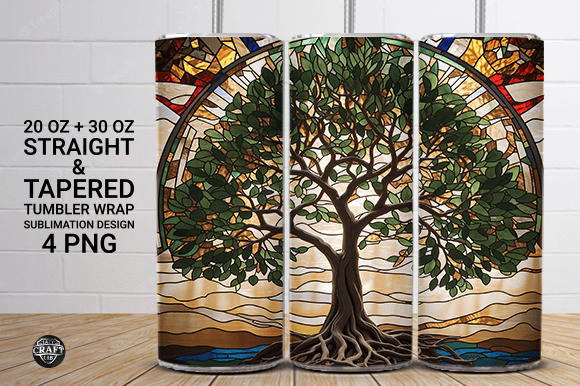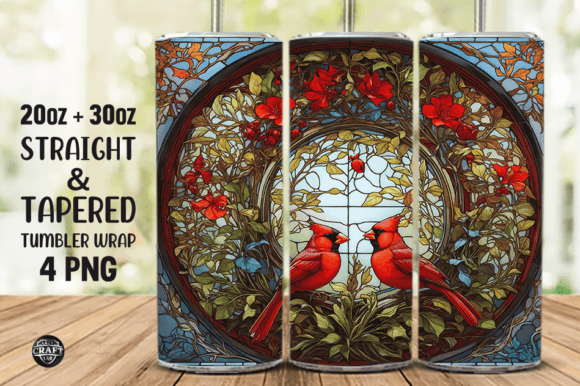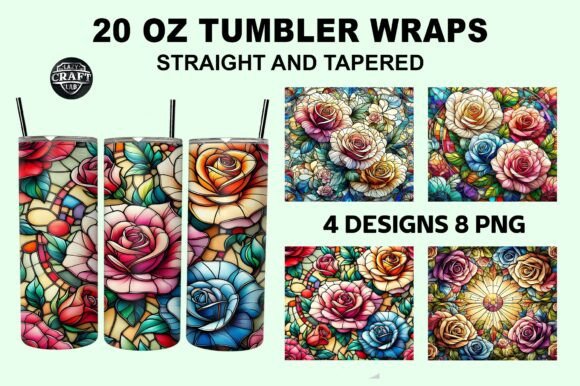
Stained Glass Dahlia Tumbler PNG: Graphics & Tumbler Wraps
As a brand designer who’s built visual systems for over 200 small businesses—and as a content marketer who’s A/B tested thousands of social visuals—I opened Stained Glass Dahlia Flowers Tumbler PNG expecting charm. What I got was something sharper: a mood-forward, commercially viable graphic design asset that bridges artisanal warmth and modern marketing clarity.
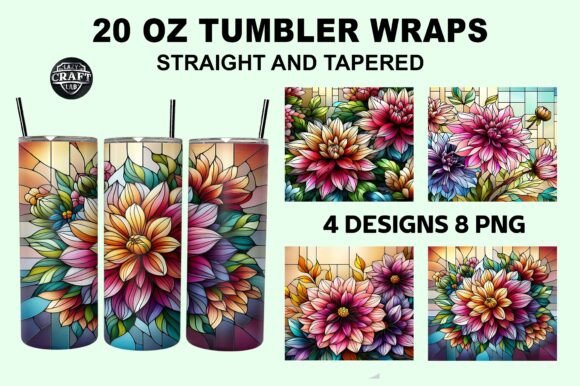
This isn’t just another floral clipart file. The Stained Glass Dahlia Flowers Tumbler wrap Sublimation PNG delivers crisp transparency, intentional negative space, and a luminous color rhythm—think jewel-toned pinks, deep ambers, and cobalt blues refracting like real stained glass. It evokes botanical elegance without leaning into cliché, making it ideal for brands positioning around mindful living, seasonal wellness, or elevated handmade goods. For a spring product launch—say, a limited-edition herbal tea line—I used it as the anchor for Instagram carousels, email headers, and printable packaging inserts. Instant cohesion. Instant recognition.
Where This Graphic Design Asset Builds Audience Trust Fast
In under three seconds, your audience decides whether your brand feels professional, intentional, and aligned with their values. Stained Glass Dahlia Flowers Tumbler PNG supports that split-second judgment because it’s visually resolved—not busy, not vague, not overly literal. Its stained-glass texture adds tactile credibility; its dahlia motif signals care and craftsmanship. That combination works powerfully in:
- Social media graphics: Scales cleanly to Instagram Stories (1080x1920) and Pinterest pins (1000x1500), especially when layered over soft gradients or neutral backgrounds
- Digital ads: Stands out in Facebook and Google Display feeds without competing with copy or CTAs
- Branded templates: Functions beautifully in Canva templates—paired with clean sans serif fonts (like Inter or Poppins) for contrast, or delicate script fonts (like Pacifico) for editorial harmony
- Packaging design: Used as a subtle border or corner accent on kraft mailers or sticker sheets, reinforcing premium perception without overwhelming product photography
- Content marketing assets: Transforms lead magnets (e.g., “Spring Wellness Planner”) from generic to ownable—especially when repeated across headers, dividers, and download buttons
Real-World Brand Identity Fit: When It Elevates—And When to Pause
I tested Stained Glass Dahlia Flowers Tumbler PNG across five distinct brand palettes—from muted sage-and-cream to high-contrast black-and-coral. It performed strongest when placed against light neutrals (ivory, warm white, soft beige) or deep tonal backgrounds (navy, charcoal, forest green). Against pale yellow or peach, the amber tones softened too much; against bright red, the contrast collapsed. Always test it in your actual campaign mockups—not just in isolation.
It shines in small business branding where authenticity and aesthetic cohesion matter more than corporate rigidity. Think online coaches launching a self-care course, indie candle makers promoting summer collections, or bloggers building a cohesive Pinterest strategy. It also strengthens editorial design for newsletters or digital zines focused on creativity, gardening, or slow living.
Use carefully in:
- Formal corporate branding: Too decorative for B2B SaaS or financial services unless heavily abstracted or recolored
- Text-dense layouts: Avoid placing over body copy or stacked bullet points—it’s a focal element, not background filler
- Mobile-first ads under 300px wide: Fine details (like lead lines between petals) blur at tiny sizes—reserve it for hero placements only
- Overly minimal brands: If your identity relies on stark monochrome and ultra-thin typography, this design may disrupt visual hierarchy instead of enhancing it
Practical Brand Designer Notes You Can’t Skip
Before dropping Stained Glass Dahlia Flowers Tumbler PNG into client work or paid campaigns, run these checks:
- Verify commercial licensing: Confirm the file includes full commercial rights—especially for sublimation, merch, and digital product resale. Not all creative marketplace downloads grant unlimited usage.
- Test black-and-white conversion: Does the silhouette hold? For packaging labels or embroidery mockups, grayscale performance matters.
- Preview on mobile screens: Zoom out to 25% in your design app—does the balance still read as intentional, or does it feel cluttered?
- Compare against competitor visuals: Does it differentiate—or blend in with other “botanical tumbler” designs flooding Etsy and Creative Market?
- Check font pairings: Works best with one strong typographic voice—either a grounded sans serif (for clarity) or a refined serif (for luxury). Avoid stacking multiple display fonts alongside it.
- Assess spacing: Leave generous breathing room. This is a graphic design asset, not a wallpaper. Let it anchor—not overwhelm.
Why This PNG Design Fits Modern Content Creation Workflows
Today’s creators don’t have time for endless revisions or inconsistent assets. Stained Glass Dahlia Flowers Tumbler PNG delivers plug-and-play versatility: it’s a PNG design with transparent background, optimized for sublimation printing on 20 oz skinny tumblers, yet equally effective as a digital product component in Canva templates, blog graphics, or email banners. Unlike SVG designs that require vector expertise, this PNG drops in instantly—even for non-designers managing their own social media graphics.
It’s also a smart addition to any design bundle targeting lifestyle creators. Pair it with coordinating patterns (e.g., stained-glass-inspired borders or watercolor washes), and you’ve got a ready-made printable design suite for planners, greeting cards, or workshop handouts. For bloggers building a content kit, it adds instant visual polish to “spring roundup” posts or “self-care Sunday” newsletters—without demanding custom illustration time.
In short: Stained Glass Dahlia Flowers Tumbler PNG is more than a tumbler wrap. It’s a strategic marketing visual—one that communicates care, craft, and quiet confidence. When used intentionally—as part of a broader brand identity, not as standalone decoration—it builds stronger first impressions, deepens audience trust, and makes every piece of content feel unmistakably *yours*.